Our two greatest opportunities in this life are to love unconditionally and to discover our purpose.
In discovering how we’re meant to move through the world with our gifts and talents, we also discover how we’re meant to serve; and embracing this revelation is also an act of love.
So live, love and laugh. Look within and keep stretching past your comfort zone. Be a reflection of what you want to add to the world and what you want to receive in return.
Stop striving for perfection and persist with excellence.
Why? Because we all stumble at some point, in some way. True victory doesn’t come from not ever having fallen, but in having the courage to dust yourself off and get up.
Rinse and repeat, however many times it takes, until you’re standing firm and striding toward your goals.
Nearly two months ago, in mid-January, I celebrated the Big 5-0. Like many people do as a milestone birthday approaches, I’d begun pondering months earlier just how I would celebrate.
I was super excited about this birthday, because 2011 – the year I turned 40 – had also been a big year of a big change in my family dynamics. I spent the decade between then and now leaning into my new role as single, co-parenting mom of two adolescents, making sure they had the nurturing, the education and the extracurriculars that would help them thrive and be prepared to discover their purpose. The choices and sacrifices I made during that season were more than worth it; but I was looking forward to launching this new decade with a special trip somewhere in that world that would serve as a kick off for more opportunities to explore never-visited American cities and states, and places around the globe.
Then came COVID. The world stopped, and along with having to help my son celebrate his high school graduation virtually and my daughter celebrate her college graduation without a formal ceremony, I had to abandon my looming 50th birthday plans.
Trust me, I know how minor these and a few other very disappointing setbacks were, given the tumult and loss unfolding every single day. I couldn’t complain (then or now), and I continue to seek ways to offer help and encouragement to friends and many others who are in need.
My past 12 months of pandemic living have been graced with many blessings, including a new job filled with meaningful work; settling my son into a college where he gets to run track; watching my daughter practicing “adulting” in a way that has made me proud(er) to be her mom, and everyone in my immediate family remaining healthy.
I know this hasn’t been the case for many people, including some of my closest friends and loved ones, and I don’t take it for granted. So, being the optimistic person I am, I turned my attention to creating a Plan B. For me that is my 50 While 50 List – i.e., a list of 50 things to do while I’m enjoying my 50th year.
I asked readers of my author newsletter to chime in with suggestions, and boy, did they answer. Between the 30 or so ideas I already had on the list and their wonderful ideas, I’ve now got a lineup of 67 things to do! Lol And if you know me, you know I’ll fit at least 50 things in during 2021 and “carryover” the other 17 into 2022, if necessary.
I promised my newsletter readers that I’d be sharing periodic updates on my progress in this space and this is my first 50 While 50 installment.
I’ve spent January, February and some of March keeping promises that are fun, practical, fulfilling and maybe a bit uncomfortable enough to stretch me, including:
Treating myself to a few favorite “non-everyday” foods whenever the whim hits me, including calamari and German chocolate cake. I haven’t gone overboard, but I’ve enjoyed leaning into those “why not today?” urges when they’ve randomly occurred.
Getting a colonoscopy. Not a fun task, but not a necessary one! It was uneventful, and it gave me peace of mind to check this off my list of responsible things to do.
Sitting in silence more than usual. As a writer, I often ponder and create in silence; but these particular quiet times have been filled with more intentional journaling, meditating, letting my thoughts roam free, praying, and envisioning some of my goals and dreams as reality. The process has helped me refine my goals and know myself even better.
Buying two instead of one. I’ve bought myself a bouquet of fresh flowers every two weeks, just because, for years. Since January, I’ve sometimes made it two – one bouquet graces a vase on my dining room table and the other is placed where I choose – my living room or family room or bedroom.
Taking time away. I spent a few days on the Chesapeake Bay, leaning into long walks, prayer time and socially distant meals and laughter with two of my closest sisterfriends. The experience was fun and gave me the clarity and courage to say yes to a few new things.
Spa-ing. I treated myself to a mid-week facial with a fun millennial esthetician, whose chatty style and excellent work left me refreshed and renewed.
I sat in on a virtual masterclass about the book-to-movie process, with goals of learning how to someday see my novels on the big screen.
I secured three sessions with a life coach to help me refine my short-term goals and to create an accountability plan. This has been a worthwhile investment!
These are just a few things, and it’s only mid-March. I’m enjoying this process and along the way asking myself a question that a professional acquaintance posed to me in a recent conversation: What will you do differently?
I’ve been leaning into that query in every area of my life, to ensure that I’m not just going through the motions or simply checking things off the list to say I’ve gotten them done. Either I am leaning into doing things the same as always because there’s a reason this way is best, or doing them differently because making slight changes will get me closer to the joy, the journey and the results that I want to be most impactful and lasting.
What about you? How’s your start to 2021? What are you leaning into? What are you willing to do differently? Regardless of whether this is a milestone birthday year for you, this can be a year that you set and reach new milestones, just because you’re worth it.
Share your plans in the comment section, and thanks for reading and cheering me on. As we all move forward and evolve as best we can, may we also remember our simple and significant blessings and pay them forward as best we can.
Recently I was invited by multi-published author, speaker and podcaster Suzanne Eller to join her in an online chat about what it means to live “Life Untapped” and remain steadfast in pursuing your dreams.
Listen in, then share your goals, desires and hopes – for the New Year and beyond. For our dreams are usually intertwined with our purpose, and when we lean into purpose and heed the calling in our soul, we are on the path to fulfilling some part of our destiny.
Be encouraged and either stay the course or start anew!
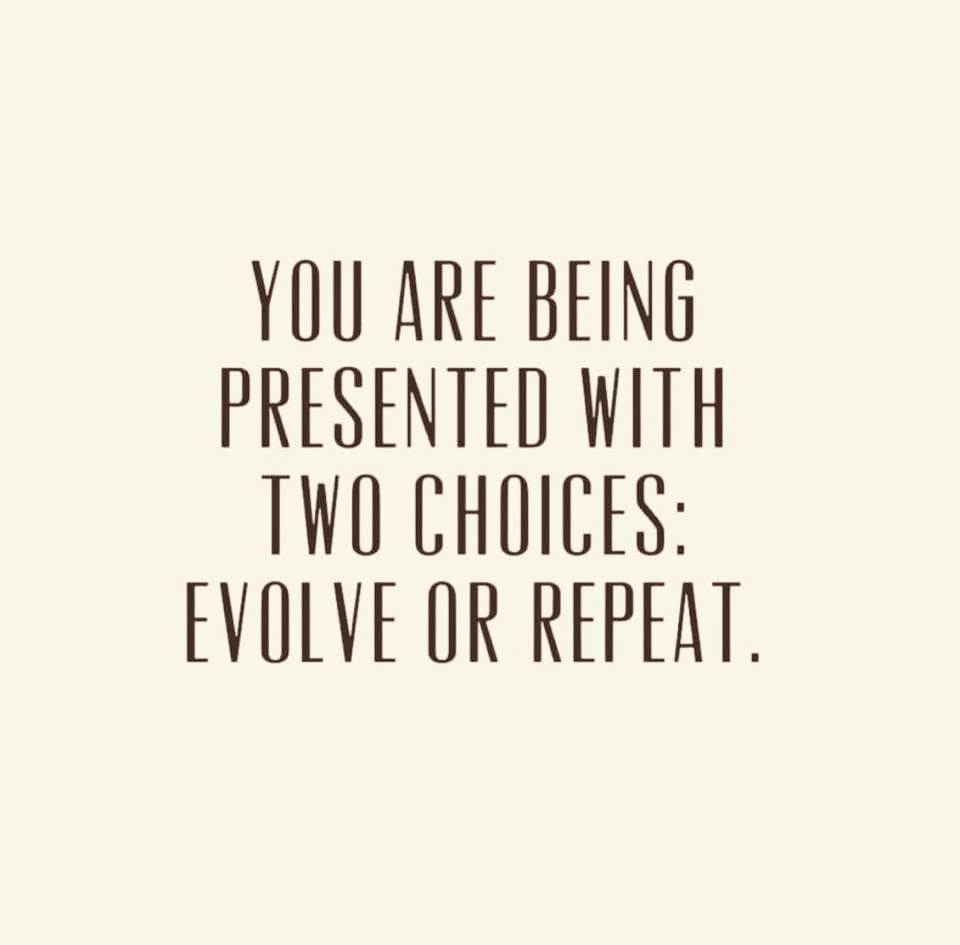
Evolve or Repeat. Is this phrase the mantra of 2020 or what??
Let’s truly take this message to heart the last few weeks of this “year never to be forgotten” and do the basics – wear our masks, drink our water, mind our business.
And then, let’s take it up a notch and do what will manifest our destiny –
purge what no longer serves you;
pursue what undoubtedly fills you;
push through procrastination;
persist in nurturing your dreams (or in discovering them),
and transform into someone more purpose-driven and soul-beautiful than ever.
Even if you stumbled or mis-fired this year, the fact that you’re still here means your music is still playing.
So take a chance on you. Heal, grow and evolve where necessary, so you can get up and dance, without having to repeat all of the lessons this year gave us – only the ones that fueled your hope, propelled you toward goodness and manifested joy.
Before you read my blog post, a bit of mental health literacy from the National Council for Behavioral Health and Mental Health America: Just know the first sentence of this piece is written for the sake of history. Never say ‘commit’ suicide; instead say someone took their life by suicide or died by suicide. Commit implies a sin or a crime. Suicide is neither a sin nor a crime. It is a mental or emotional disorder, sometimes undetected or untreated, and sometimes temporary, with depression, anxiety and isolation being the most common feelings for suicide victims or attempters. – Glenn
Growing up, I remember hearing, “Black folks don’t commit suicide.”
I also heard disparaging remarks about adults and children suffering from mental illness. I’m certain I made insults as well.
“You know she ain’t right.“ “Something’s wrong with him.” “He’s touched.” “That boy’s crazy in the head.”
The language about mental illness and suicide has changed over the years, but society still has a long way to go. We must continue to learn the truth about mental illness and the right words to describe and talk about suicide. Most importantly, we must learn how to help those in distress, especially during this pandemic.
“Just get over it and move on” is not a suitable response. And, having a macho attitude, as many men do, about mental illness or suicide only buries the situation. Transparency means acceptance.
In the Black community, there remains a deep-seated stigma about suicide and mental illness. Neither discriminate. One in five Americans will experience a mental illness in a given year. One in 25 Americans lives with a serious mental illness. Black Americans are a major part of those numbers.
As a suicide prevention and mental health first aid instructor and grief counselor, my mission is to help others, specifically Black Americans and military veterans, and to encourage more people to take suicide prevention and mental health first aid courses. In most areas, the courses are short duration and free.
I am a suicide survivor, having heard the shot as my grandfather took his life in an adjacent room, had military “brothers” lose their lives to suicide, had suicide ideations during my worst drinking binges and have written about suicide for decades as a journalist, poet and instructor.
Glenn Proctor
As a Vietnam veteran, I have survivors’ remorse, knowing my name is not on the Vietnam Memorial Wall in Washington, D.C. Coping with those thoughts remain a struggle, even to this day. And, there’s a reason the term is “recovery alcoholic.”
Truth is Black people take their own lives. Black people attempt suicide and have suicide ideations. The secret is out. We are not immune to suicide and mental health issues.
With the pandemic, racial unrest, unequal justice, and continued economic stress, suicide rates among African-Americans have climbed, created by fear, uncertainty and increased anxiety levels, especially for those with depression, anxiety, other untreated mental health issues or isolation.
Especially concerning in the recent decade is the rise in suicide deaths among Black youth, nearly doubling from 2007 to 2017. Recent numbers show that Black children under age 13 are twice as likely to die as their white counterparts.
As of 2018, suicide became the second leading cause of death in Black children, ages 10-14, and the third leading cause among Black adolescents, ages 15-19.
Paramount among the risk factors for youth suicide are bullying, bullying others, trauma, LBGTQ and racial discrimination and access to firearms. Another factor is health care disparities since Black youth often do not receive treatment for depression or receive treatment after a suicide attempt.
Suicide numbers among Black adults are also climbing. In Cook County, where Chicago is located, Black men accounted for 80 percent of the suicides this year.
Research by the Columbia University Department of Psychiatry says Black adults are 20 percent more likely to experience serious mental health issues, including depressive disorder or anxiety disorder. Facing the prospect of being a victim of the justice system – or the fear of being stopped by police or accused of something by a “Karen” – is a common fear of most black men, including those who are famous, considered middle class or well-to-do.
Despite being 13 percent of the U.S. population, the Black community is 40 percent of the homeless population, 50 percent of the prison population and 45 percent of the children in foster care. Because of that exposure, the chances of developing a mental illness is increased.
With Black veterans, the numbers are just as alarming. About 45 percent of homeless veterans are Black or Hispanic, with Black veterans compromising most of those situations.
On any given night in America, more than 40,000 veterans are homeless and another 1.4 million are considered at risk of homelessness due to poverty, lack of support networks, untreated mental illness or substance abuse issues. Women veterans are the fastest growing segment of homeless veterans.
For me, working with the veterans’ community is a focal point.
I admit there have been unfortunate and fatal situations involving Black men and police in Charlotte, yet I applaud the Charlotte Mecklenburg Police for having a Crisis Intervention Team (CIT) trained to de-escalate hostile situations involving possible mental issues situations. Mental Health America has trained a good number of police and firefighters in mental health first aid and suicide prevention.
Twice I have been called to assist CIT officers with situations involving veterans.
In the first instance – the only time I had to respond to a crisis scene – I helped negotiate the peaceful apprehension of a Black veteran who served in Afghanistan and was suffering from PTSD. He was loud and threatening inside his apartment and the situation had become unstable. After more than 40 minutes, the situation ended peacefully without any injuries.
Twice since, I accompanied CIT officers to visit the veteran who is back on medication and keeping up with his VA visits. I am proud that I was able to help, but the episode was mentally draining beyond belief. Which is why self-care for all of us, especially during this pandemic, is absolutely essential.
For those of us who are peer support professionals, the work is never done. None of us can – or should – turn our backs on conversations about suicide, mental health or grief. And in the Black community, it is a priority because mental health issues and suicide are continuing to take an increasing toll.
So, what can any of us do as Black Americans to improve our mental health and lessen our trauma and grief? I added grief to the equation since all us, by admission or not, are currently grieving, especially the loss of connection.
Because of Black America’s history and the issues that plague our communities, socialization is, experts contend, our most important coping mechanism:
Communication. By email, text, social media and phone. As difficult as it is to gather during this pandemic, an outside gathering with social distancing and masking protocols might help ease stress, especially to help with isolation and having engaging conversations with people we trust.
Get clinical help if an extreme condition develops.
Talk about experiences of racism with those you trust. One study of African-American women said those who experienced racism and kept it to themselves created shorter telomeres, an indicator of chronic stress and aging.
Self-care. Engage in activities that you enjoy. As much as possible, avoid substances and excessive alcohol use. Be aware and recognize symptoms of racial trauma (fatigue, anxiety, depression, sleep depravation).
Understand that racism is serious and it deeply affects emotions. In addition to communication and self-care, focus on developing coping strategies; including distractions that help lower negative emotion.
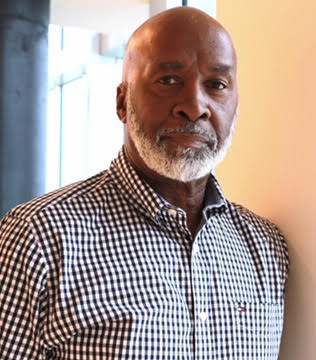
Life Coach Glenn Proctor is certified as a Grief Support Counselor, QPR Suicide Prevention Instructor, Youth Mental Health First Aid Instructor, Adult Mental Health First Aid Gatekeeper and NC Peer Support Specialist (with Veterans’ Designation). He retired as executive editor and vice president of the Richmond Times-Dispatch. The 40-year journalist and media professor shared in the Pulitzer Prize at the Akron Beacon Journal. He is a former Marine gunnery sergeant, author of five books and founder of WRITING BOOTCAMP Charlotte. Proctor coaches from lived experience – alcoholism, foster care, single parent, multiple marriages and cancer. He has mentored hundreds of students, veterans, career professionals and entrepreneurs.
Special Event Notice:
On Wednesday, Oct. 28, 2020 from 7-8:30 p.m. EST, Stacy and Robert L. Dortch will host a Zoom conversation on mental wellness and practicing self-care during the looming holiday season. Special guests will be licensed psychologist and seminar leader Dr. Micah L. McCreary and social and mental health advocate Princess Blanding. Join this session of The Living Room Talks on Zoom by registering hereby Noon EST on Wednesday (Oct. 28).
I am all about practicing self-care and being as gentle as we can with ourselves during this pandemic; but make no mistake – it’s just as important to honor our life’s calling day to day, so that when we’re on the other side of this darkness, we’ll appreciate both how we’ve grown and the tangible wins from having done our part to build a bridge for others.
Not sure what your purpose or calling may be? Sit with yourself and ask what truly brings you contentment or leaves you full.
Intentionally nurturing your kids or others? Leading from behind or having a seat at the table? Making people laugh?
Praying for and with someone? Baking to fill stomachs or to show others that they’re loved? Supporting someone’s dream in an administrative (wind beneath the wings) role?
Being a good listener or hand-holder? Standing up for the voiceless? Creating safe spaces for others to be themselves? Giving hope to those who have lost their way?
The list could go on and on, and your manner of execution could be simple or sophisticated. What matters is that you “do you” – which becomes an act of love to yourself that also graces the world, with powerful ripple effects that may extend far beyond your sphere, even unto future generations.
By Guest Blogger DaNika Neblett Robinson – (In honor of International Women’s Day)
Like organizations, it is important to have a Board of Directors to assist you with the strategic direction of your life and ensure that you are prosperous. Their purpose should be to check on you, connect with you, and to challenge you to be a better version of yourself. These are the people who would probably say, “Beloved, I wish above all things that thou mayest prosper and be in health, even as thy soul prospereth.” (3 John 1:2, KJV).
Yes, you have to be careful about who you allow into your personal space. But, being too cautious can be detrimental. “Let your conscience be your guide” (Jiminy Cricket, from the movie Pinocchio, 1940).
At work, I have a Tribe that I connect with weekly. Being the only person of color in a senior leadership role on my campus, I know it is my duty to connect with subordinates, particularly those that look like me. During this weekly sync up, we talk about a variety of things. I create a safe space where they are free to vent as well as encourage. Other leaders may frown upon this approach but my authentic leadership style* compels me to:
* understand my purpose;
* practice solid values;
* lead with heart;
* establish connected relationships; and
* practice self-discipline.
As an author, I am a member of Focused Writers led by my mentor Stacy Hawkins Adams. My fellow writers and I receive writing tips from Stacy as well as each other. Writing a novel or speech or even a blog can be a lonely process. Having people you can count on to share what projects they are working on while gently nudging you to meet a deadline has been critical. Although we typically meet virtually, we have been diligent about meeting in-person as well. These connections have helped us to remember why we write and solicit ideas that can benefit us as we move forward.
In my personal life, I have my God Sistahs. These women serve as a sounding board for me. They have helped me to see things from a different perspective while loving me through my hot mess moments. Our friendships have gotten us through turbulent times when dealing with the loss of family members. Assisted us in rearing our children who are now adults. And ensured we remained in healthy relationship while supporting the need to breakaway when necessary.
On my path to become a doctor (Ed.D), I had the pleasure of spending three years with 17 brilliant people. Being a first-generation, nontraditional college student, I did not have the standard undergraduate experience. No roommates. No student life. No sorority. But I do not feel like I missed out on anything because this cohort of smart people inspired me to be a passionate educator. We started the doctoral program very green and not knowing our super powers. Any time we have the opportunity to reconnect, we remind each other of how far we have come. Those moments together are priceless.
Being a busy woman who travels to and fro regularly, it is imperative for me to return to home base. The greatest of all friendships for me is that which I experience with my life partner/husband. He knows when I am drained and suggests I take a nap. I laugh at his dry jokes. We have intimate conversations about our children and what is next for them. Most of all, he is my biggest cheerleader. I could not ask for a better person to share my life with.
Hebrews 10:25 (NLT) says it best, “And let us not neglect our meeting together as some people do, but encourage one another, especially now that the day of his return is drawing near.” Do not downplay the value of friendships. Do not limit the number of people you allow in your personal space, simply because you fear being hurt once again. Know that all interactions are needed as you continue your metamorphic journey.
*George, William W. Authentic Leadership: Rediscovering the Secrets to Creating Lasting Value. San Francisco: Jossey-Bass, 2003.
DaNika Neblett Robinson is the author of The Metamorphic Journey. This page-turning novella explores three teenage mothers’ quest to succeed. The Metamorphic Journey is also the name of a movement DaNika founded to provide individuals with opportunities to foster personal growth. DaNika has served as a higher education administrator for more than 20 years and is currently the CFO of the Virginia Institute of Marine Science at the College of William and Mary. A graduate of the Ed.D. program in Educational Leadership at Virginia Commonwealth University and an expert in transformational leadership, she speaks widely about excellence in leadership, in particular to women’s organizations and audiences. She also uses her knowledge to empower young adults to embrace their purpose. Learn more about DaNika and her body of work at themetamorphicjourney.org.
For the final 26 days of 2019 …challenge yourself to stretch beyond your usual boundaries and plant seeds for a next-level version of you to blossom in the year to come.
Do something that scares you.
Explore an unknown path with an open mind.
Seek to understand rather than be understood.
Be kind, even when it’s hard.
Say no to a few “good” things so you’ll be available to say yes to your “great” and purpose-driven opportunities.
Give without expecting anything in return.
Say “thank you” for all of the lessons you’re learning along the way.
This is the pathway to a life that will open your heart, elevate your humanity and multiply your joy.






 Still Unfolding with Stacy Hawkins Adams